

EuropeTransit: A Comprehensive Guide to Gameplay and Strategy
EuropeTransit: A Journey Across the Continent
In the realm of modern board games, EuropeTransit stands out as a captivating experience that combines strategic planning with immersive travel across Europe. Whether seeking a casual pastime or a competitive challenge, EuropeTransit offers a rich tapestry of gameplay that appeals to a diverse audience. In this article, we will explore the game's intricacies, examining how it has become an essential addition for board game enthusiasts worldwide.
Introduction to EuropeTransit
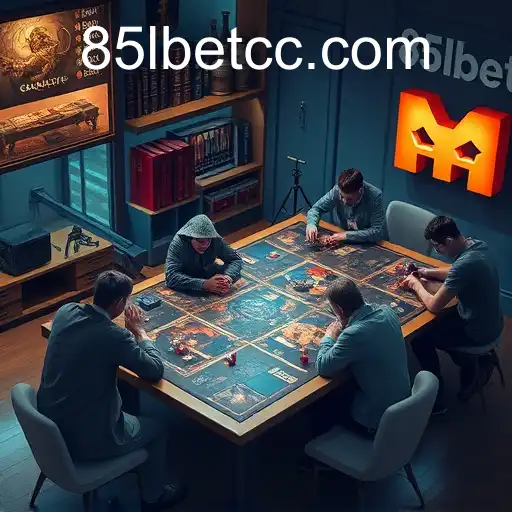
EuropeTransit is designed for players who appreciate strategy and adventure. The game board is a detailed map of Europe, featuring cities, landmarks, and routes that players must navigate to achieve their goals. Each player assumes the role of a traveler, embarking on a journey to complete various objectives and collect points along the way.
The game emerged in the wake of rising interest in travel-themed entertainment. With travel restrictions and global shifts in exploration trends, EuropeTransit provides a vibrant alternative for those looking to explore the continent's historical sites and urban wonders from the comfort of their living room. As a result, it has quickly gained popularity among both new enthusiasts and seasoned veterans of the board gaming community.
The Basics of Gameplay
EuropeTransit accommodates two to five players, each starting their adventure from a different city on the map. The objective is simple, yet engaging: visit as many landmarks as possible while completing quests that vary each session. Players must balance resource management, strategic movement, and opportunistic decision-making to succeed.
The game starts with each player drawing an initial quest, which provides them with the first set of instructions on which landmarks they need to reach to earn points. The quests range from visiting specific cities to collecting certain resources found along particular routes. These objectives influence early game strategies, making every session distinct and replayable.
Players use a combination of dice rolls and strategic card play to navigate the map. The dice decide movement potential, while action cards can modify outcomes or provide additional options, such as faster travel or bonus points for visiting lesser-known destinations. This mechanic integrates luck with skill, ensuring a dynamic and engaging process.
Rules and Strategies
Movement and Objective Fulfillment
Movement across the map requires careful planning. Each route has an associated cost, whether it be time, resource cards, or points. Balancing these elements forms the core puzzle of EuropeTransit. Depending on their initial positions and quest cards, players need to decide between taking longer, scenic routes that offer high point potential or direct paths that might provide fewer points but rapid progress toward their objectives.
Completing objectives allows players to draw new quest cards, keeping the game dynamic and preventing players from becoming complacent in their strategies. This continuous influx of objectives not only adds layers of complexity but also encourages players to remain adaptable and responsive to opponents’ movements and the evolving game state.
Resource Management
In EuropeTransit, resources are paramount. Players collect different types of cards representing various travel essentials—tickets, fuel, and currency. Managing these resources effectively is crucial, as they enable players to take necessary actions, such as extending travel routes or overcoming game-specific challenges like roadblocks or delays.
Seasoned players emphasize the importance of resource optimization, which involves anticipating needs and conserving cards for critical moments. It is not uncommon for strategies to revolve around meticulously collecting resources that synergize with current objectives, creating turn-by-turn plans that maximize efficiency and reward.
Interaction and Competitive Dynamics
While EuropeTransit can be a solitary race against time, it introduces interaction elements that add a competitive edge. Players can trade resources and form temporary alliances, adding a diplomatic aspect to the gameplay. The trust dynamics and negotiation opportunities lead to a meta-game that is as intense as the primary experience.
Additionally, special events in the game introduce opportunities for players to affect each other's progress, such as blockading critical routes or invoking detours that disrupt opponents’ plans. These scenarios can change the trajectory of the game, turning previously established strategies on their head and requiring players to adapt swiftly.
Current Trends and Popularity
EuropeTransit has seen a surge in popularity amid current global circumstances. With many families and friends seeking enjoyable indoor activities, the demand for engaging board games is higher than ever. EuropeTransit not only fills this niche but also empowers players to explore Europe in a creative, socially interactive way.
The game's design reflects growing trends in sustainable travel awareness by incorporating environmentally themed objectives and lessons about the cultural significance of Earth's landmarks. These elements enrich the player's experience, offering educational value alongside entertainment.
The accompanying digital app enhances the experience by providing additional quests and details about the locations visited within the game. This feature has been particularly well-received among younger players and educators, as it combines technology with traditional gameplay to create a rich, layered experience.
Furthermore, the community around EuropeTransit continues to expand with online forums and fan-created content providing new challenges, maps, and narratives for players to explore. This burgeoning community signals a bright future for the game, with potential expansions and adaptations already in discussion.


Google Sitemap